ResearchInfrastructureIn development
When the pipeline is a network
Pipelines, grids, ports and ground stations are physical, but they are run and attacked digitally. Why we treat infrastructure as one network.
Everything depends on something
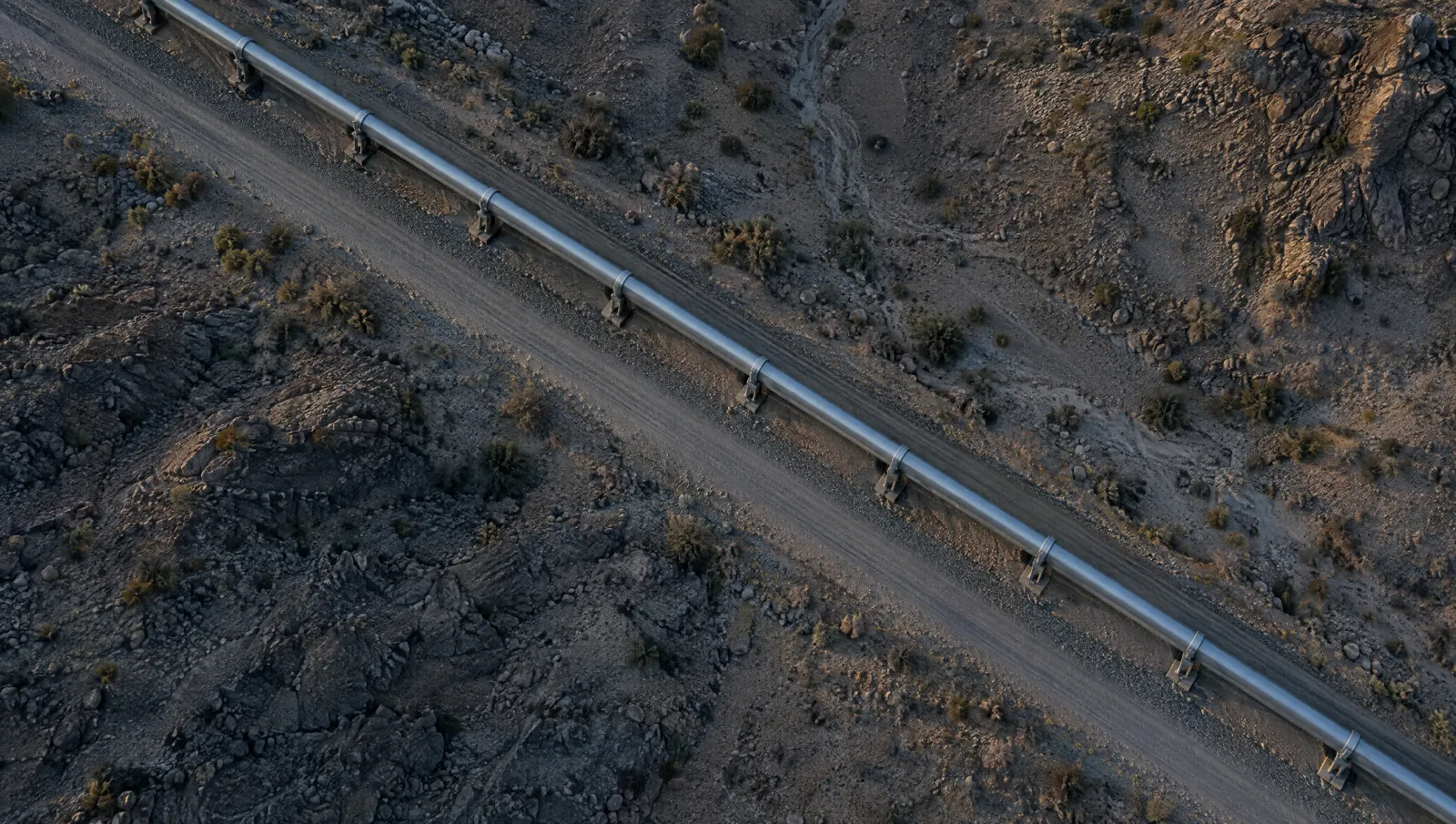
A compressor station depends on power. The substation depends on a control network. The control network depends on a handful of engineers and their accounts. A failure anywhere travels.
Most monitoring tools see one of these layers. The operator is left to connect them in the middle of an incident, which is exactly when there is no time to do it.
Our approach
The model. Network anomaly detection: pressure, flow, load and access patterns learned across connected assets, so an unusual reading arrives with what it affects.
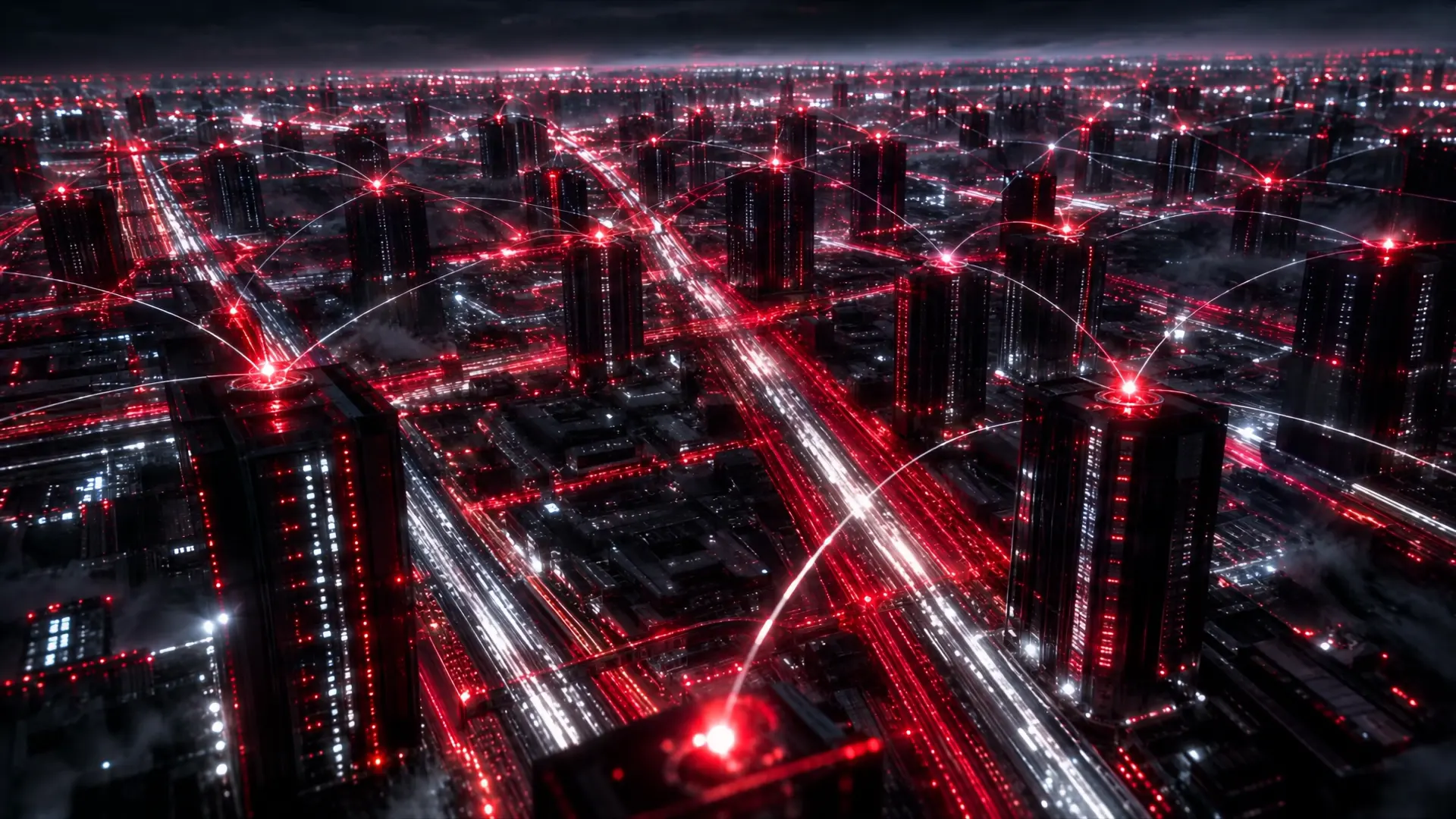
Vamocles maps what depends on what: assets, the networks that run them and the people who hold access. When something changes (a pressure drop, an unexpected sign-in to a control system, a ground-station link going quiet), the question it answers is not only what happened but what else is affected.
- One network view across pipelines, grids, ports and ground stations.
- Cyber and physical together: an alarm on a site and a strange sign-in to its control system appear side by side.
- Response coordinated from any screen by the people with authority.
Why it matters to businesses
Very few companies own a pipeline. Almost all of them depend on one, or on a grid, a port or a data link. Infrastructure resilience is supply-chain resilience. The same estate view that defends a company's accounts extends naturally to the operational systems some of them run.
Where this stands
See the Infrastructure page for how the network view works.
Published by Vamocles ·
Request a briefing